
The Ultimate Lifestyle Integration: Redefining Parental Freedom and Mobility in the Modern World
Modern parenting often feels like a constant negotiation between the needs of the child and the demands of a fast-paced, mobile society, a conflict that can lead to a sense of “stuckness” or a retreat from the world. Babywearing emerges as the ultimate lifestyle “hack,” a tool that restores freedom of movement to the caregiver while ensuring the infant’s needs are met without compromise. In urban environments, where subway stairs, narrow store aisles, and crowded sidewalks make strollers a logistical nightmare, a carrier provides an unparalleled level of agility, allowing parents to navigate the city with the same ease as they did before having children. This mobility extends to the natural world; for the parent who finds solace in hiking, beach walking, or exploring rugged terrain, the carrier serves as an all-terrain vehicle that opens up the outdoors to the entire family, fostering a love for nature in the child from the very beginning. The practical benefits are equally evident in the domestic sphere, where the “witching hour”—that period of late-afternoon fussiness common in many infants—often coincides with the need to prepare dinner or care for older siblings. By wearing the baby, the parent can provide the necessary comfort and motion to soothe the infant while having two hands free to manage the complexities of a household, transforming a potentially stressful time into a period of calm productivity. Travel also becomes significantly more manageable; navigating airports, security lines, and the cramped quarters of an airplane is infinitely easier when the child is securely attached to the parent’s body, leaving hands free for luggage and passports. Moreover, babywearing facilitates a more inclusive social life for the parents, as the child can easily napping in the carrier during a lunch with friends or a community event, rather than the parent being tethered to a nursery or a rigid nap schedule. This integration of the child into the parent’s life—rather than the parent’s life being entirely subsumed by the child—is essential for long-term parental well-being and the health of the partner relationship. It allows for a “continuum” of living where the infant becomes a participant in the family’s adventures rather than an obstacle to them. By reducing the friction between the demands of modern life and the requirements of infancy, babywearing empowers a new generation of parents to live more vibrantly, more adventurously, and more connectedly than ever before, proving that life does not have to get smaller when a family gets bigger.
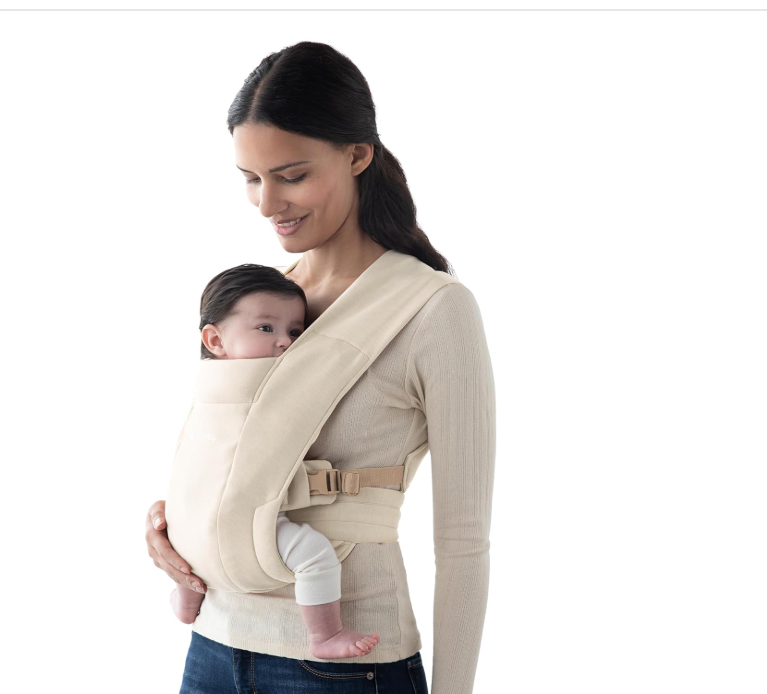
The successful practice of babywearing is both a science and an art, requiring a deep understanding of the materials and techniques that ensure the safety and comfort of both the child and the wearer. The “fabric of the bond” is literal in this context, as the choice of textile impacts everything from weight distribution to temperature regulation. Natural fibers like cotton, linen, and hemp are prized for their durability, breathability, and “grip”—the ability of the fabric to stay in place once tightened—while modern technical fabrics offer moisture-wicking properties and UV protection for active families. Understanding the “GSM” (grams per square meter) of a wrap or the weave structure of a carrier panel is essential for matching the support to the child’s weight; a thin, airy fabric might be perfect for a newborn in summer, but a heavy-weight toddler requires a denser, more supportive weave to prevent the fabric from “digging” into the wearer’s shoulders. Safety is the paramount consideration, encapsulated in the widely recognized “T.I.C.K.S.” rule: Tight, In view at all times, Close enough to kiss, Keep chin off chest, and Supported back. These guidelines ensure that the infant’s airway is always protected and that their body is held in a position that prevents slumping, which can lead to positional asphyxia. The technical fit of a structured carrier involves the precise adjustment of the “bridge” or seat width to ensure it supports the baby from knee-to-knee without overextending the hip joint, and the placement of the waistband at the wearer’s natural waist or hips to optimize load bearing. For wraps and slings, the “art” lies in the tensioning—the process of removing slack inch-by-inch to create a “second skin” that moves in unison with the caregiver. Temperature management is another technical hurdle; because the caregiver’s body heat can be significant, choosing breathable carriers and dressing the infant in fewer layers than one might expect is crucial for preventing hyperthermia, especially in humid climates. Furthermore, the longevity of a carrier depends on proper maintenance, including washing techniques that preserve the integrity of the buckles and the elasticity of the fibers. As a caregiver masters these technical aspects, the act of putting on a carrier becomes second nature, a rhythmic ritual that signals safety to the child and readiness to the parent. This mastery transforms the carrier from a piece of gear into a sophisticated extension of the self, allowing for a seamless transition between the many roles a parent must play. By treating babywearing as a skill to be honed, parents can unlock the full potential of this practice, ensuring that every carry is as safe as it is comfortable and as beautiful as it is functional.